
Weathering art history: metaphor and method
By Mark A. Cheetham
Contemporary eco art often exposes climate change. Ice, water, and loss characterize Roni Horn’s Vatnasafn/Library of Water (2007), a compelling collaboration of words, sculptural elements, and social interactions sited in a former library in Stykkishólmur, a fishing community on the west coast of Iceland. Water, Samples, its most visually dramatic element, is a forest-like stand of twenty-four floor-to-ceiling transparent glass columns that display water taken from Icelandic glaciers.
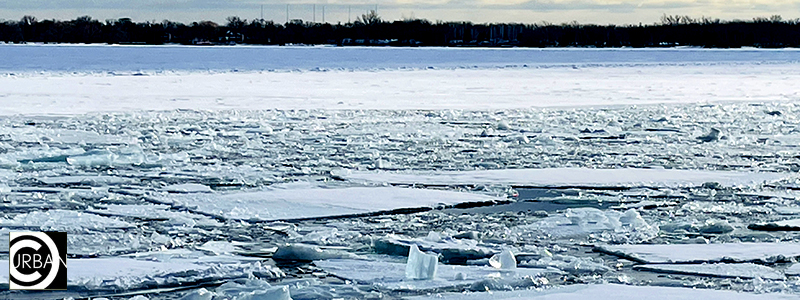
…
Ecocritical approaches are quite new in art history and adjacent fields, but hasn’t some art always been eco art, at least in retrospect and through the lenses of ecocritical art history? If we think of weather as the atmospheric phenomena of the planet – independent and localized aspects of the Earth’s life that nevertheless impact all beings and all materials – then a significant swath of art (new and old, across media, and from most global traditions) can be considered under this heading. Extreme weather has been imaged for centuries and in many art traditions.
Leave a Reply